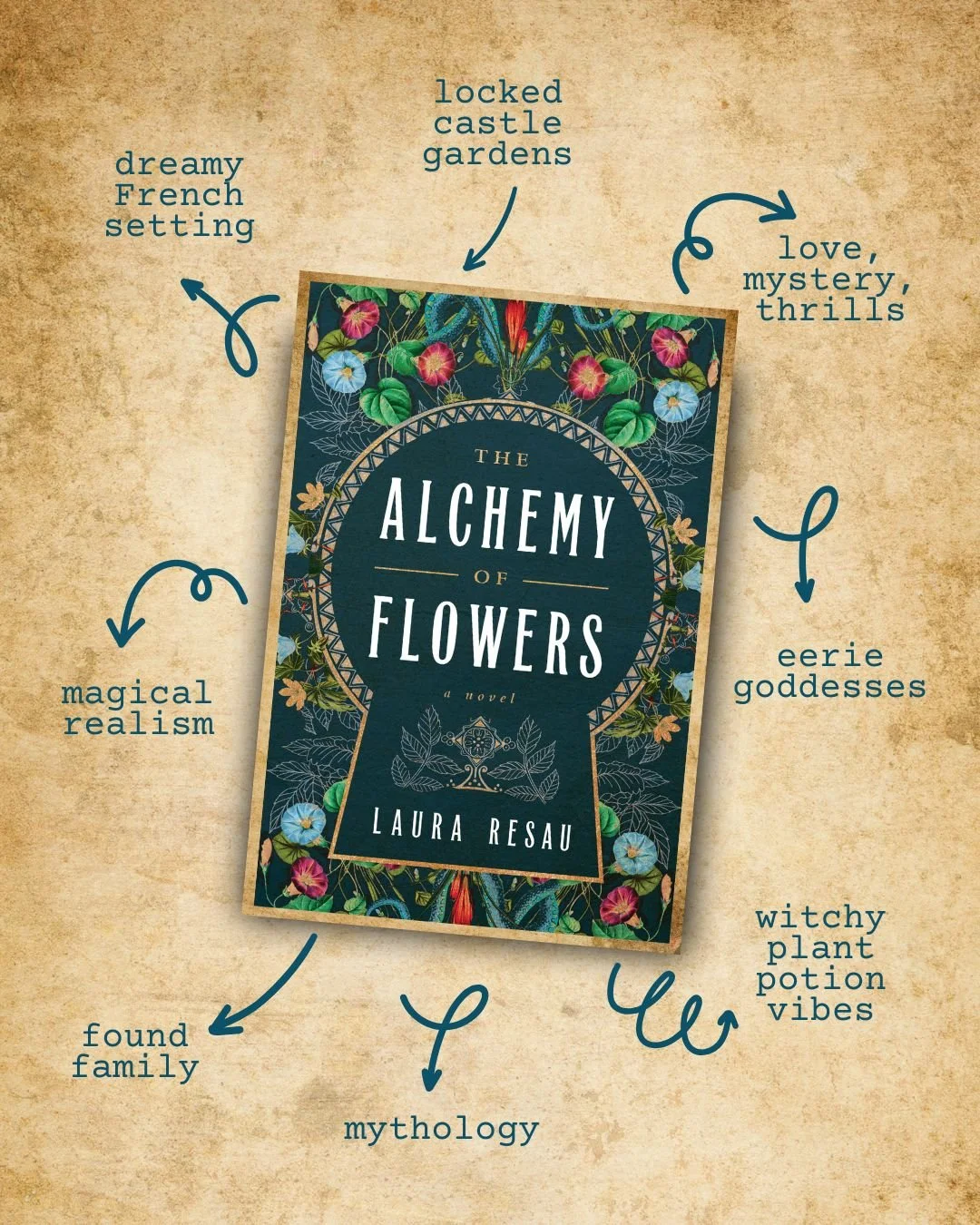
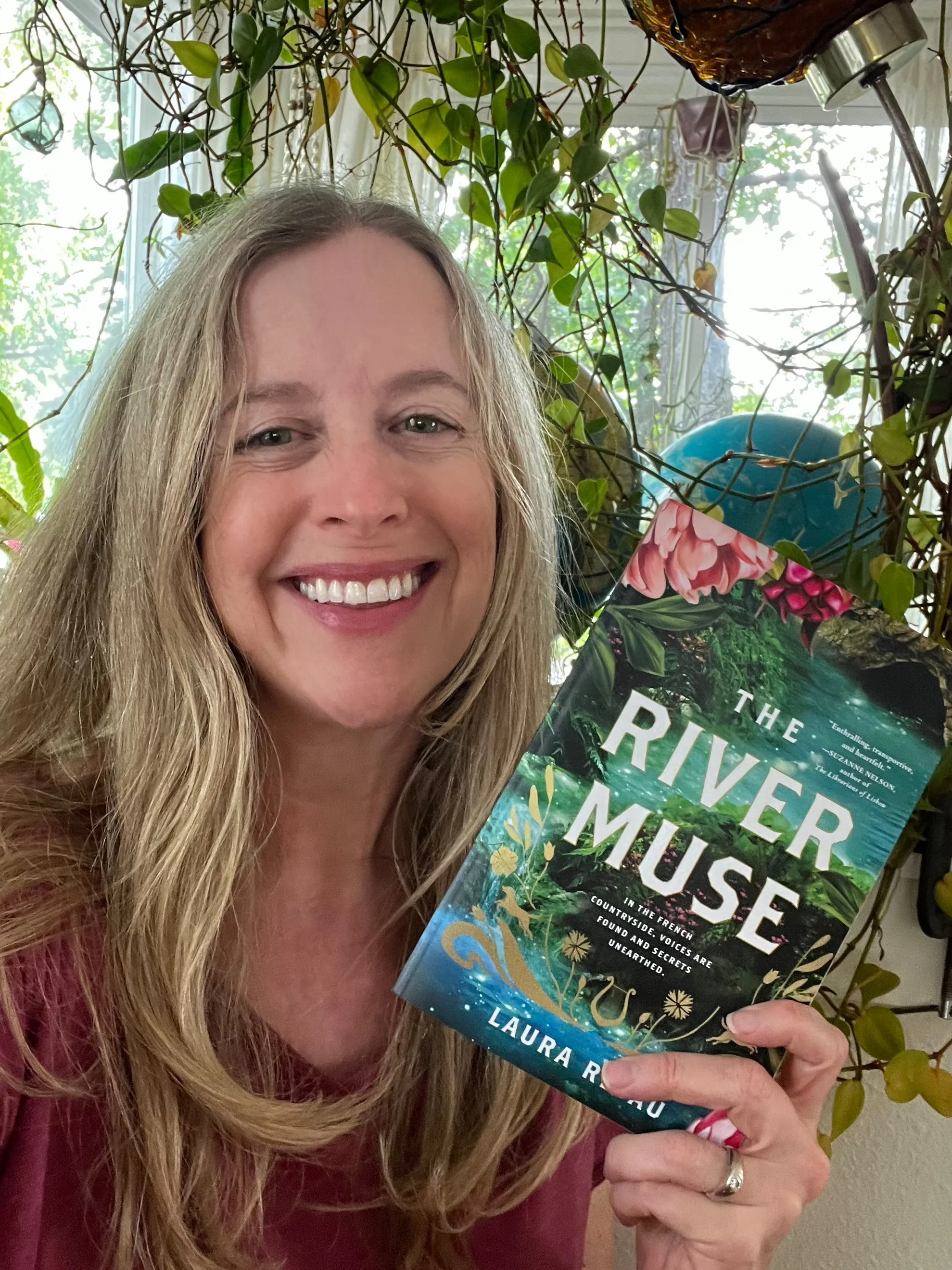
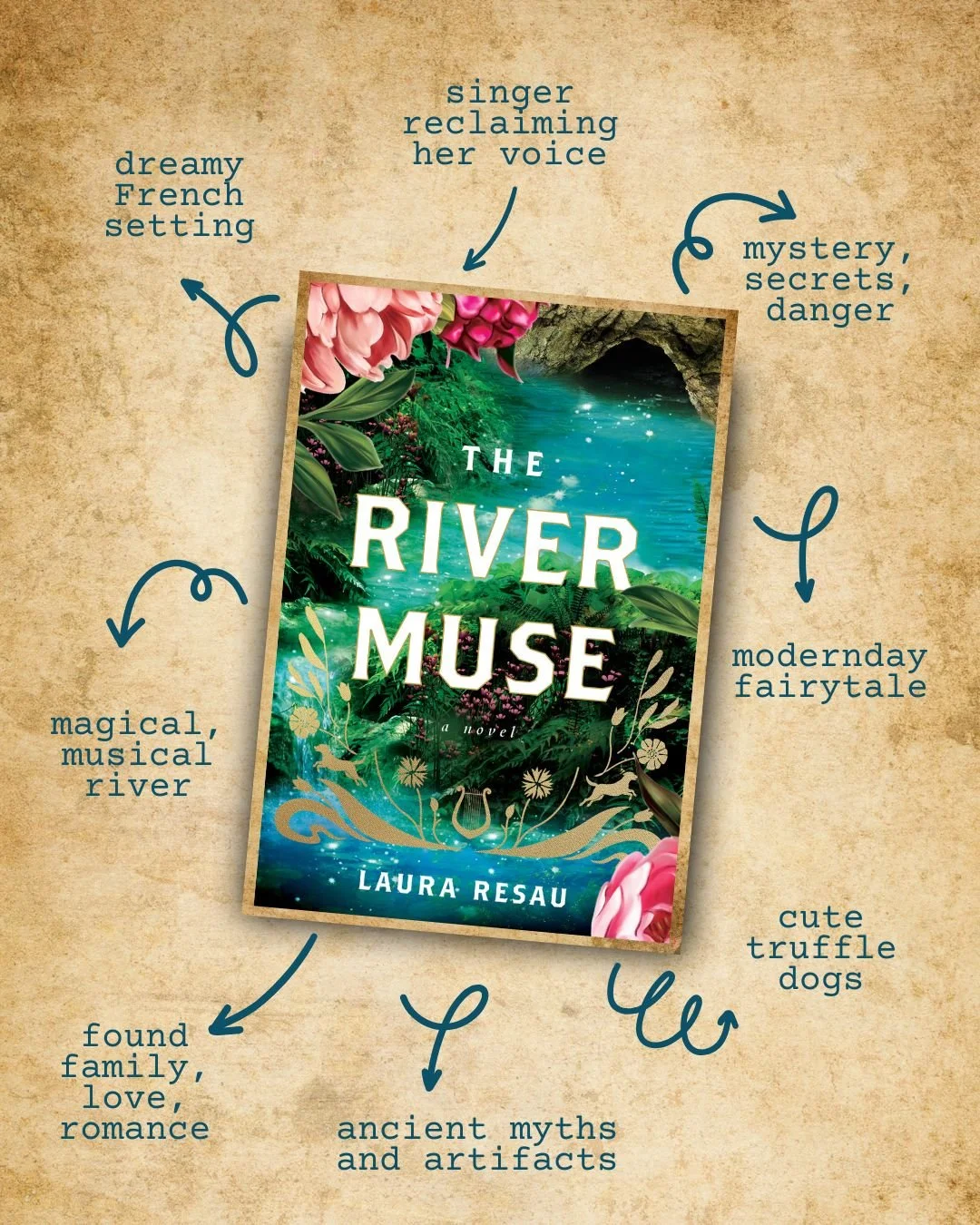
Is it weird to admit that I feel an undercurrent of mythology flowing through my life? That’s where my mind goes whenever I go through a hard experience. And that’s why I’ve used myths and fairytales to frame women’s journeys in my novels, The Alchemy of Flowers and The River Muse.
To be clear—we’re not talking about the sweet, kid-friendly Disney-esque tales. No, these are the dark, deep, shadowy ones, told by flickering firelight throughout the ages. Clarissa Pinkola Estés and other scholars have explored myths across cultures and shown how these ancient stories offer insights about the human psyche.
As I’ve noticed in my own life, mythology can frame our challenges in empowering ways. When I was escaping an emotionally abusive relationship in my twenties, my mind gravitated to three dark tales… and in their own mysterious manner, they illuminated my path away from a controlling, manipulative, much-older man.
The selkie myth, with roots in Celtic culture, was one of these guiding lights for me. A selkie slips out of her sealskin one day to wander by the shore. Spying on her in her weakened state, a man steals her skin, then takes her as a wife. Years later, she discovers her sealskin hidden in the house. She slips it back on and returns to the sea. In my reading of this myth, the sealskin represents the woman’s true self, abandoned for a possessive man. In the end, she boldly reclaims what is hers, and rises, victorious.
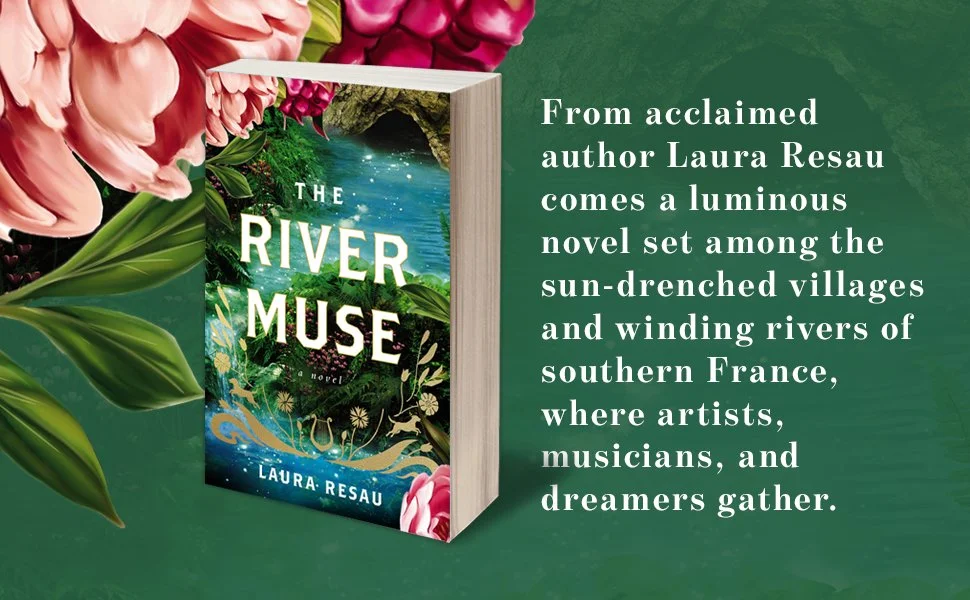
My ex-partner tried to cut me off from my creative self, and only after I left, was I able to retrieve this lost piece of my spirit. In my book, The River Muse, Callie is a successful singer-songwriter until tragedy strikes. Seeing her vulnerability, a rich and powerful man sweeps in like a vulture, breaking her bonds with her music, friends, and family. The story shows how she escapes him and finds a refuge by a mystical river in a French village, where she connects with her creative power and a supportive community.
While thinking about Callie’s fictional journey and my own personal one, I referred often to another dark fairytale, “The Goose Girl.” In the version from Andrew Lang that resonates with me, a princess has her identity and voice stolen, and is forced to live a humble life tending to geese. Her beloved horse is killed, but his head lives on, talking to her, reminding her of her lost identity.
As I interpret the tale, the horse’s voice helps her hold on to who she is, encouraging her to reclaim her power and true self. During my own dark times, I wrote in my journal as a way to keep connected with my own voice—a thread I grew brave enough to follow, leading my self out of a metaphorical cave. In The River Muse, Callie writes letters to her self, connecting with her voice and gathering courage to flee to a safe place overseas where she can rediscover her own music.
The third myth that has resonated with me is the darkest, a French fairytale called “Bluebeard,” recorded by Charles Perrault. It’s basically a serial killer story, and it gives me chills every time. A young woman marries a powerful, charming man. He leaves on a business trip, giving her a set of keys and warning that she may open any room in the castle—except the room whose lock fits the smallest key.
Of course, she opens the forbidden room, where she finds the dead bodies of his previous wives. Although my own relationship wasn’t physically violent, it involved emotional harm, control, and manipulation. During those two years, as I spotted more and more red flags, my urgency to escape this man grew.
In The River Muse, Callie’s partner is an antiquities dealer who obsessively collects treasures—including music deities and old books of fairytales, which Callie reads during the two years she’s trapped in his mansion in the remote Rocky Mountains. Venturing into his forbidden room one day, she discovers chilling secrets that make her understand what’s at stake. Finally grasping the danger, she plans her escape to France, where she rebuilds her life.
I hope that as readers immerse themselves in Callie’s story with its undercurrents of myth and fairytale, they feel a deep resonance. Myths tap into the universal spring that runs beneath our human experiences. I’ve found that by sharing stories—real or imagined, magical or mundane, or even an alchemical blend of sorts—we can support each other in our human journeys.
Throughout space and time, we’re all in this together. And our stories shine a light into this truth.
I originally wrote this essay for Alana Joli Abbott’s Patreon. Thank you, Alana, for prompting me to write this, and for your support of my work!